

Nick Carroll
I've spent 30 years building legal publishing infrastructure. I founded publish.law to help attorneys turn their cases, insights, and credentials into a digital presence they own, built for how clients, referral sources, and AI systems find lawyers today.
Notes
-
There's a difference between getting credit in analytics and actually shaping what AI learns about you. This piece draws that line clearly: attribution tracks where traffic came from, but AI influence is built through what's published and how it's associated with your name. Worth understanding before you read too much into your referral data.
-
Personal AI agents shop, research, and recommend on behalf of users without them ever visiting a search results page. If someone asks their agent to find a good estate planning attorney, your site needs to be readable by machines, not just humans. That means structured content on a domain you control, with clear signals about who you are and what you handle.
-
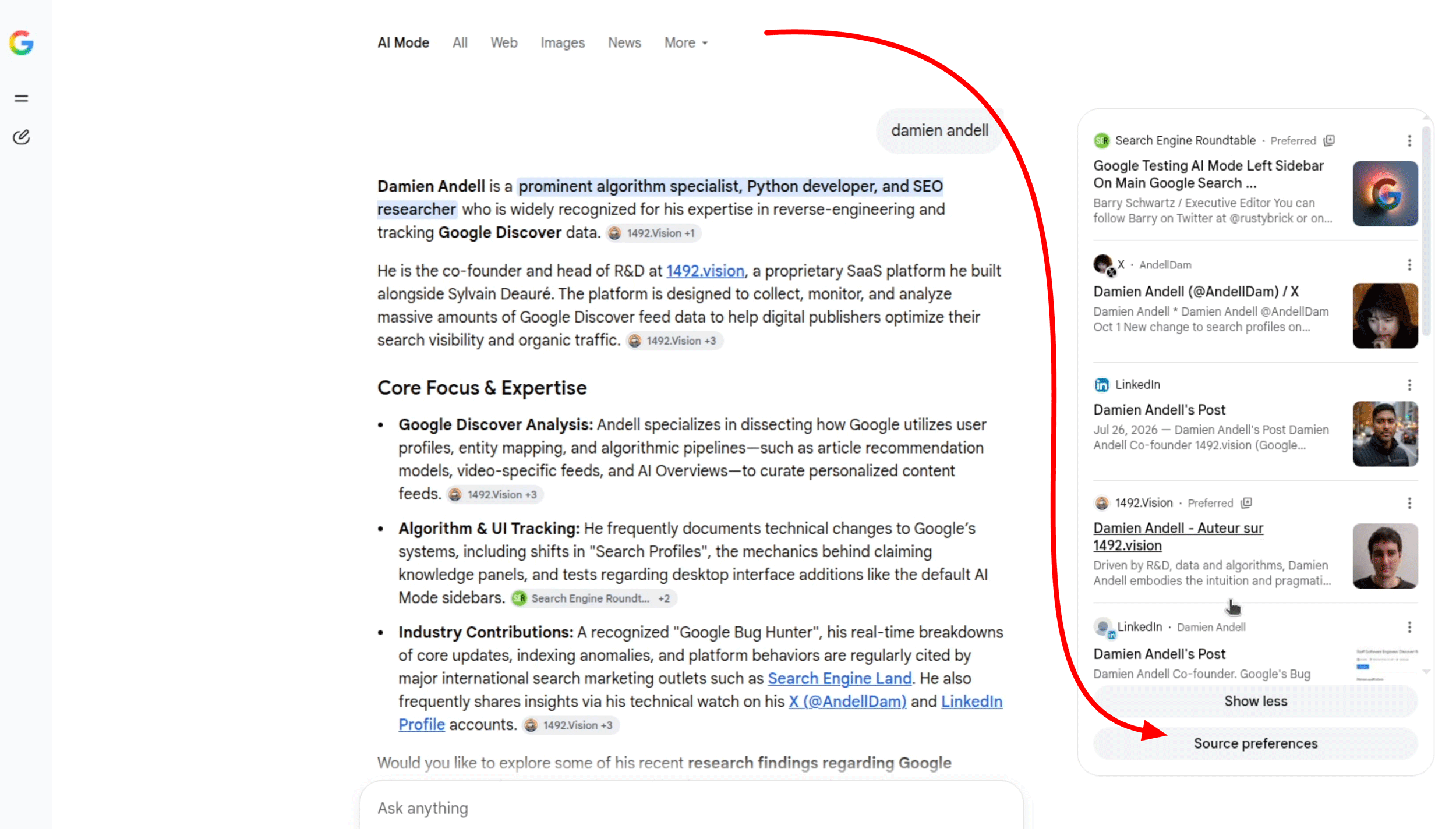
Google is testing a feature that lets users pick which sources AI Mode pulls from. If someone's already familiar with your writing, they could set your site as a preferred source and get answers drawn directly from your content. Building a recognizable name now, before this rolls out broadly, is how you end up on those lists.
-
Google is building a separate content ingestion lane for user-generated content like forum posts and social answers, bypassing the normal crawl. If you're answering legal questions publicly, whether on Reddit, LinkedIn, or your own site, this changes how fast that content can surface in search. Your direct answers may now move faster than your polished articles.
-
ChatGPT overwhelmingly cites primary sources: original research, official bodies, firsthand expertise. If you want your name showing up in AI answers, writing that reflects your actual experience in a practice area matters more than repackaging what others have said. Your bio, your posts, your takes — the original stuff.
-
If you've published anything in the last two or three years, you've got posts sitting on page two that already earned some authority. Refreshing them, updating stats, tightening the angle, adding a recent development, is often faster than writing something new and gets more traction.
#lawfirmseo
-
Your site's job used to be getting the click. Now it's being credible enough that AI systems trust it as a source. The article lays out what that shift actually means: structured content, clear authorship, and a site that signals expertise rather than just existing.
-
John Mueller confirmed that AI training crawlers are actively hitting sitemaps and RSS feeds. If you publish anything online under your name, your sitemap and RSS feed are part of how AI systems find and index your work. Having those set up and pointing at everything you've written isn't optional anymore if you want to show up in AI-generated answers.
-
Cloudflare's traffic data shows automated requests now outnumber human ones, with AI agents growing fastest. That means your site already has a non-human audience reading it constantly. What you publish, how it's structured, and whether AI can make sense of it matters just as much as whether a person can.
-
"What could the founder of a baseball team known for dancing players and a senior-citizen dance squad possibly teach lawyers about running a small firm?" That's Bob Ambrogi, on hearing that Savannah Bananas founder Jesse Cole was keynoting this year's Kaleidoscope. The answer turned out to be plenty. Bob came away with 15 takeaways for small firms, and most of them are sharper than what you'd get from a legal marketing panel.











Subscribe to Nick Carroll
Get new posts delivered to your inbox.